India’s Finest Makhana Growers & Exporters
About the Makhana Industry
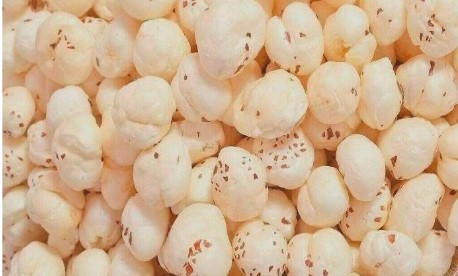
Makhana (fox nut or phool makhana) is a nutrient-dense seed harvested from aquatic plants of the genus Euryale ferox. Traditionally cultivated in ponds and wetlands across eastern India, makhana is increasingly valued for its high protein, low fat and gluten-free profile — making it a fast-growing item in healthy-snack and ready-to-eat food markets worldwide.
Where does it grow?
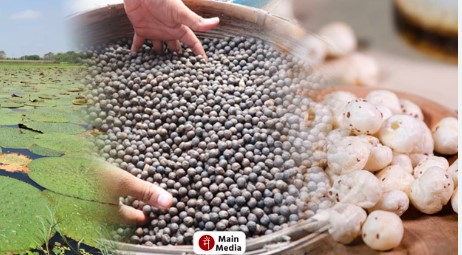
Makhana thrives in shallow ponds and wetlands. In India, Bihar (notably Darbhanga, Begusarai & Muzaffarpur regions) and pockets of Assam are primary production centers. The crop is water-centric and benefits from warm, sheltered aquatic environments.
Why is demand rising?
- Health trends: low-calorie, gluten-free, high-protein snacks.
- Food innovation: use in RTE foods, protein mixes and seed-based snacks.
- Cultural demand: sweets and fasting foods across South Asia remain consistent consumers.
Uses & Applications
- Roasted & flavored snack packs
- Raw / graded seeds for industrial food processors
- Traditional sweets and fasting foods (upvas)
- Ayurvedic formulations and healthy snack blends
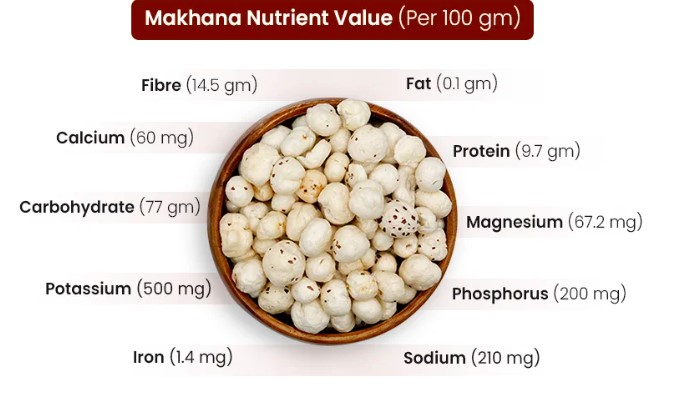
Farming Process of Makhana
A sustainable, step-by-step approach from pond preparation to drying & grading. Each step preserves quality and ensures export-grade makhana.
Water Pond Preparation
Creating ideal shallow ponds: cleaning, levees, water-level control, and preparing the pond bed for seed planting.
Seed Sowing
Sowing juvenile seeds or transplanted seedlings in prepared beds; maintaining water quality and spacing for optimal growth.
Plant Growth
Regular pond management, organic nutrient support, pest monitoring and canopy management to ensure strong plant development.
Flower & Fruit Development
Monitoring flower formation and seed maturation in aquatic pods; controlled water cycles encourage quality seed development.
Harvesting
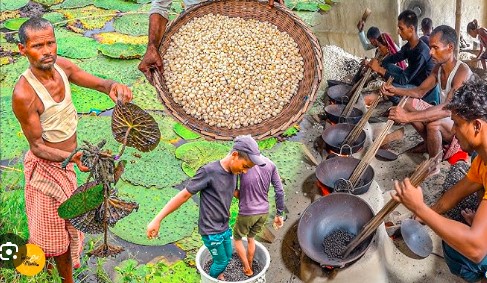
Manual collection of mature pods followed by the traditional popping process to obtain edible makhana — a skilled, labor-intensive stage.
Drying & Grading
Sun/low-heat drying, mechanical grading and packing in hygienic facilities to create export-grade raw and popped makhana products.
Demand & Market Insights
Market dynamics and international demand highlight why makhana is an attractive crop and product-line for exporters and processors.
India's Annual Makhana Consumption
Domestic consumption has been steadily increasing due to rising health-conscious consumer segments and traditional demand peaks during festivals and fasting seasons.
Top International Markets
High demand observed in USA, Canada, UK, UAE and Australia for premium, natural snack ingredients and RTE snack products.
Use-case Growth
Rising adoption in healthy snacks, ready-to-eat foods, and value-added flavored makhana varieties — strong potential for product innovation.
Leading Producing States
Bihar and Assam are among the largest producing regions, supplying both domestic processors and export consignments.
Cost of Cultivation & Profit
A sample, illustrative table per acre — costs and yield can vary widely depending on input choices, labour rates and post-harvest processing.
| Item | Estimate (₹ / acre) | Notes |
|---|---|---|
| Land & Pond Preparation | ₹ 18,000 | Clearing, bed preparation, levees |
| Seed & Inputs | ₹ 12,000 | Seed procurement & organic nutrients |
| Labour Cost (season) | ₹ 30,000 | Planting, maintenance, harvesting |
| Popping / Processing | ₹ 14,000 | Manual popping or mechanised estimate |
| Drying & Grading | ₹ 6,000 | Packing and grading |
| Expected Yield (raw kg/acre) | 400 - 800 kg | Varies by region & season |
| Selling Price (raw) | ₹ 200 - 400 / kg | Domestic raw seed prices |
| Selling Price (popped) | ₹ 600 - 1500 / kg | Value-added, retail-packaged |
| Total Cost (approx) | ₹ 80,000 | Per acre, illustrative |
* Example profit: with 600 kg raw yield sold at ₹300/kg => Gross ₹180,000. After costs (₹80,000) estimated profit ≈ ₹100,000/acre. Popped & value-added products can substantially increase margins.
Import–Export Information
Exporters should follow quality standards, packaging requirements and HS codes to enter international markets efficiently.
Export Quality Requirements
Moisture limits, foreign matter standards, pesticide residue limits, hygienic packing and correct labelling for organic/food-safety claims.
HS Code for Makhana
Typically falls under edible seeds / nuts classification — exporters should confirm current HS/HSN codes with customs or a licensed customs broker for accurate declaration.
Countries Importing Most
USA, UK, Canada, UAE, Australia — interest from health-food importers and ethnic stores is growing.
Price Range (Intl Markets)
Depends on grade & packaging; retail RTE popped products command higher prices. Bulk raw kernels trade at commodity rates; check current market reports for exact pricing.
Product Categories
We supply a complete range from raw seeds to industrial-grade and finished snack products.
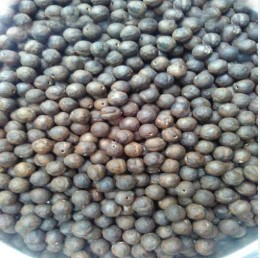
Raw Makhana
Unprocessed seeds for industrial use and further processing.
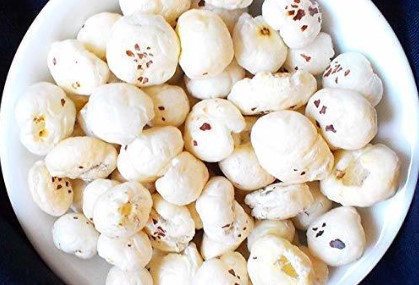
Graded Makhana
Size-graded kernels for consistent quality supply chains.
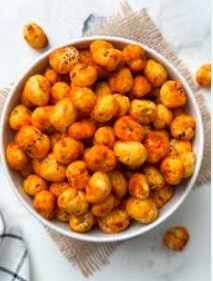
Roasted Makhana
Lightly roasted, ready for retail packaging.
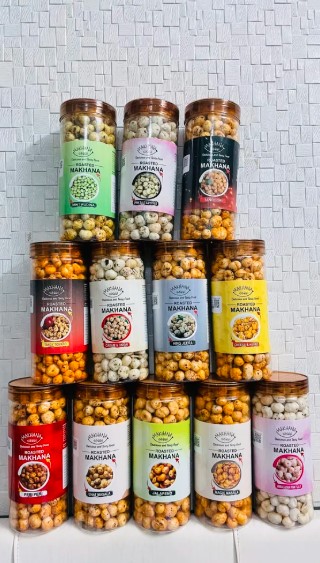
Flavoured Makhana
Multiple flavors — savory, spicy and sweet blends for modern snack markets.
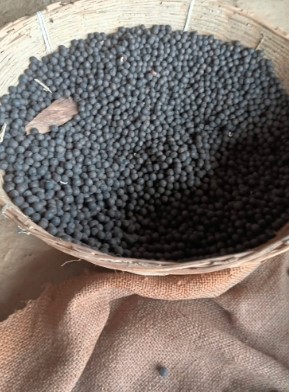
Industrial-grade Seeds
Bulk supply for processors & ingredient manufacturers.
Why Choose Us?
We combine traditional know-how with modern hygiene and international quality standards to deliver consistent, high-value makhana products.
Farm-to-Pack Traceability
Batch-level records from farmer to pack ensures transparency and quality control for buyers.
Hygienic Processing Unit
Clean rooms for popping, grading and packing to meet export packaging standards.
Sustainability
Water-conscious farming practices and organic nutrition for healthier yields and ecosystems.
Gallery
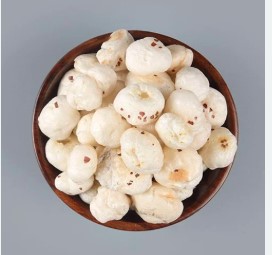
A visual tour of farms, processing units and export-ready packaging.


Contact Us
Reach out for enquiries, bulk supply, export orders or farm partnerships.